Watford High Street Student Removals Packing Tips
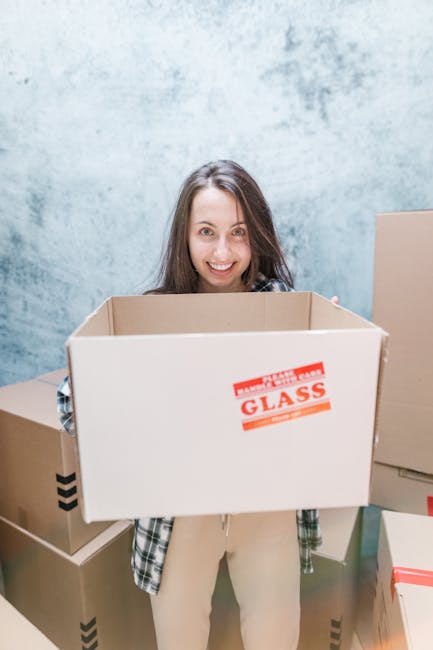
If you are moving as a student around Watford High Street, packing can feel like the whole move is happening in miniature chaos: half a wardrobe, three chargers you swear you packed already, and a kettle that somehow becomes the most important item in the flat. The good news is that Watford High Street Student Removals Packing Tips are not complicated. They are mostly about planning, smart sorting, and making the job lighter before the van even arrives.
This guide is designed to help you pack in a way that saves time, protects your things, and makes the actual moving day much calmer. Whether you are heading into halls, moving between shared houses, or using a local man and van service, a good packing system can make a surprisingly big difference. Let's face it, nobody wants to be hunting for clean socks at 11pm while standing in a corridor full of boxes.
Why Watford High Street Student Removals Packing Tips Matters
Student moves are usually different from full household relocations. You may have less furniture, but you often have more awkward small items, tighter deadlines, and less space to sort everything properly. Add in busy streets, shared accommodation, parking restrictions, and the general rush of term dates, and packing becomes one of the most important parts of the move.
Good packing matters because it reduces damage, reduces cost, and reduces the number of tiny crises that tend to appear on moving day. A box that is too heavy, badly labelled, or packed with mixed items can slow everything down. One loose cable box can somehow absorb four other things too. It happens.
For students moving near Watford High Street, there is also a practical local side to this. Flats and shared houses often have narrow stairways, limited waiting space, and neighbours who will not love a long delay in the hallway. Packing well keeps the move moving. That is the real win.
If you are using wider moving support, it can also help to compare options on the site's pricing and quotes page or check the range of removal services available before deciding what kind of help you actually need.
How Watford High Street Student Removals Packing Tips Works
The packing process works best when you think in stages rather than one giant "pack everything" weekend. A sensible student move usually follows a simple pattern: sort, reduce, pack, label, and prepare the essentials bag. It sounds basic, because it is. Basic is good when you are moving at speed.
First, you separate what you are keeping from what you are not. Students often move with a lot of items that no longer deserve the journey: old mugs, broken hangers, mystery cables, and a drawer full of stationery from first year that has somehow become a time capsule. Reducing the load is the cheapest packing trick there is.
Then you pack by category, not by mood. Books with books. Kitchen things with kitchen things. Bedding together. Sentimental bits separately and carefully. This makes unpacking far easier, especially if you are moving into a new room and need to find the basics quickly.
Finally, you prepare for the move itself. That means keeping important documents, keys, chargers, medication, and a change of clothes easy to reach. If you need added help at the moving stage, a local man with van option can suit smaller student loads, while more substantial moves may lean towards home moves support.
Key Benefits and Practical Advantages
Good student packing is not just about neatness. It has very real benefits, and some are more obvious than others.
- Faster loading and unloading: Clearly packed boxes are easier to stack, carry, and place in the right room.
- Lower risk of damage: Delicate items survive much better when they are wrapped properly and not mixed with heavy objects.
- Less stress on moving day: When the essentials are separated, you are not digging through boxes for your phone charger at midnight.
- Better use of space: Student rooms and vans are both tighter than they look. Thoughtful packing helps you use every inch properly.
- Quicker unpacking: Well-labelled boxes mean you can settle in sooner, which honestly matters more than people admit.
There is also a budgeting angle. If you are paying for help from movers or arranging a removals near me search to find the right local team, efficient packing can reduce the time spent handling awkward items. It may not sound dramatic, but on a student budget every bit helps.
Expert summary: The best student packing strategy is simple: remove clutter early, protect fragile items properly, label everything clearly, and keep one essentials bag with you at all times.
Who This Is For and When It Makes Sense
This guidance is useful for a wide range of students, not just first-years moving into halls. If you are sharing a house, swapping rooms, moving between terms, or leaving Watford for a placement year, the same packing principles still apply.
It is especially useful if you:
- have a small move but lots of loose belongings
- need to move quickly between tenancy dates
- share a flat and need your items to stay separate from housemates' belongings
- own breakables like monitors, speakers, kitchenware, or small appliances
- want to avoid overpaying for unnecessary time on the day
It also makes sense if you are trying to keep the move manageable without hiring a huge vehicle. In student moves, a sensible solution is often a compact transport option such as a moving van or a removal van, rather than something oversized. That depends on your load, of course.
And if you are moving out of a private rental, a well-organised pack can help you hand the place back cleanly and without last-minute panic. Which, truth be told, is a relief for everyone involved.
Step-by-Step Guidance
Here is a practical packing process that works well for most student removals around Watford High Street. Keep it simple. Simple tends to win.
- Start with a room-by-room sort. Do not pack randomly from every corner of the flat. Pick one room, clear it, and move on.
- Create three piles: keep, donate/recycle, and bin. Be strict. If you have not used it all year, ask whether it deserves moving day.
- Pack fragile items first. Wrap glasses, plates, small electronics, and ornaments with paper, towels, or soft clothing.
- Use smaller boxes for heavy items. Books and toiletries become very heavy very quickly. Smaller boxes reduce strain and make lifting safer.
- Keep clothes grouped together. Folded clothes go into one box or bag, while hanging clothes can be left on hangers and covered if needed.
- Label every box on two sides. Write the room and the contents. For example: "Kitchen - mugs, bowls, kettle."
- Prepare an essentials bag. Put documents, keys, wallet, medication, phone charger, toiletries, and one set of clothes in it.
- Mark priority items clearly. If a box must be opened first, say so. A bit of bold marker pen goes a long way.
- Keep cleaning supplies separate. You may need them before or after handover, so do not bury them in the deepest box.
- Check your load against the vehicle. If the move is bigger than expected, speak early about whether you need extra space or a second trip.
If your student move includes furniture or larger household bits, you may also want to look at furniture pick up or even a broader house removals service. Not every student move is a tiny one, and that is fine.
Expert Tips for Better Results
The difference between a decent pack and a truly good one is usually in the details. These are the little things that save time later.
Pack by unpacking order, not just by room
Ask yourself: what will you need first in the new place? Bedding, kettle, toiletries, laptop charger, one pan, and maybe a basic plate and mug. Pack those in a clearly marked first-night box. You will thank yourself later, probably around the moment the tea bags appear.
Use clothing as padding
T-shirts, hoodies, and towels can protect breakables and reduce the amount of packing paper you need. This is especially useful for students because the wardrobe itself is often part of the packing material. Handy, really.
Do not overfill boxes
A box that looks neat but is impossible to lift is not neat at all. It is a trap. If you cannot carry it comfortably, repack it.
Take photos of cable setups
Before unplugging your desk, TV, or speaker setup, take a quick photo on your phone. It sounds trivial until you are trying to reconnect everything at 10pm and the cable looks suspiciously like every other cable you own.
Separate valuables and documents
Passports, tenancy paperwork, bank cards, student ID, and prescription medication should travel with you, not in the van. That is one of those habits that feels obvious only after something goes missing.
Ask for packing help if you need it
If the packing part is turning into a nightmare, a professional packing and unpacking services option can take pressure off the day. That can be particularly helpful during exam period, when your brain is already split in ten directions.
Common Mistakes to Avoid
Student moves tend to go wrong in the same ways. Once you know the patterns, you can dodge most of them.
- Packing too late: The night before is rarely a good strategy. It becomes rushed, and rushed packing is messy packing.
- Using one giant bag for everything: It seems efficient until you need one charger buried under five jumpers and a saucepan.
- Ignoring labels: If boxes all look the same, unpacking becomes guesswork. Guesswork is not fun after a move.
- Leaving bins and recycling until the last minute: Get rid of rubbish early so you are not moving clutter from one place to another.
- Packing liquids poorly: Shampoo, cleaning spray, and toiletries need lids checked and ideally placed in sealed bags.
- Forgetting the essentials bag: This one causes a surprising amount of stress. Don't do it to yourself.
Another common slip is assuming every item needs premium wrapping. It does not. Some things just need sensible separation and a bit of care. Others, yes, deserve more padding. Use judgement.
Tools, Resources and Recommendations
You do not need a mountain of specialist gear to pack well. A few reliable basics usually cover it.
- strong cardboard boxes in a few sizes
- parcel tape or packing tape
- marker pens for clear labelling
- bin bags for soft items and quick sorting
- paper, towels, or clothes for padding fragile items
- string or cable ties for bundled cords
- scissors or a box cutter, used carefully
For students moving on a tighter budget, it can help to compare the type of move you need rather than buying every possible box type. A small man and van removals booking may be enough for a compact student load, while larger shared-house moves may need a bigger vehicle or broader removals support.
It is also sensible to check the company's policies if you are comparing providers. Information about insurance and safety, health and safety, and terms and conditions can help you understand how the move is handled. That kind of reading is not glamorous, but it is useful.
Law, Compliance, Standards, or Best Practice
Student packing itself is not heavily regulated, but there are still sensible standards and responsibilities to keep in mind. In the UK, safe handling, clear access routes, and reasonable care for belongings are all part of normal moving best practice. If a stairwell is narrow, a box is too heavy, or an item is fragile, packing should account for that before anyone tries to carry it.
For rented accommodation, you also need to think about tenancy expectations. That usually means returning the property in good condition, removing your belongings fully, and leaving shared spaces clear. You do not need to overcomplicate it, but you do need to be organised.
If you are hiring help, it is wise to check that the business communicates clearly about payment, service scope, and responsibilities. Pages such as payment and security and privacy policy show the kind of practical information that helps you understand how your details and booking are handled.
There is also a sustainability angle. Reusing boxes, donating usable items, and recycling what you can is generally the better move. If you are clearing more than a few items, the site's recycling and sustainability information is a useful place to understand that approach.
Best practice, in plain English, is simple: pack safely, label clearly, do not overload boxes, and keep anything essential with you.
Options, Methods, or Comparison Table
Different student moves call for different packing methods. Here is a simple comparison that may help you decide what suits your situation best.
| Method | Best for | Pros | Watch out for |
|---|---|---|---|
| Room-by-room packing | Most students and shared houses | Simple, orderly, easy to unpack | Can take longer if you keep switching rooms |
| Item-category packing | Students with lots of books, tech, or kitchenware | Keeps similar items together | May mix items from different rooms if you are not careful |
| Essentials-first packing | Fast moves and term-time transitions | Makes the first night easier | Still needs full room packing behind it |
| Hybrid packing | Students with mixed belongings and limited time | Flexible and practical | Needs decent labelling to stay organised |
In many student moves, a hybrid approach works best. You might pack the kitchen by category, the bedroom by room, and the desk by function. A bit mixed, yes. But it often mirrors how you actually live.
Case Study or Real-World Example
Imagine a student moving from a shared flat near Watford High Street into a new place closer to campus. The load is not massive, but it includes books, bedding, a desk lamp, a monitor, kitchen bits, and several bags of clothes. The temptation is to fill whatever box is nearest and deal with it later.
Instead, the move is split over two evenings. First, all the non-essentials are sorted. Old papers are recycled. Duplicate mugs are removed. The student packs books into small boxes, wraps the monitor in a duvet, and puts cables in a labelled pouch. Bedding is packed separately, and one rucksack is kept as the essentials bag with chargers, documents, toiletries, and a clean outfit.
On moving day, the boxes load easily because nothing is overfilled. The first items unpacked are the kettle, bedding, and chargers, so the new place feels liveable by early evening rather than the next morning. A small thing? Maybe. But it changes the mood completely. That quiet, relieved feeling when the bed is made and the tea is on. Properly worth it.
Practical Checklist
Use this checklist in the last 48 hours before the move. It is simple on purpose.
- Sort items into keep, donate/recycle, and bin
- Pack fragile items with padding
- Use smaller boxes for heavy things
- Label all boxes clearly on multiple sides
- Prepare a first-night essentials bag
- Keep documents, keys, and medication with you
- Photograph cable setups before unplugging them
- Separate cleaning products and liquids carefully
- Confirm access details for the pickup and drop-off point
- Check whether you need help from a removal company or a smaller transport option
If you still have items to clear out, it may also be worth looking at furniture pick up so you are not dragging unwanted things into a new term. Less clutter, less stress. Simple.
Get a free quote today and see how much you can save.
Conclusion
The best Watford High Street Student Removals Packing Tips are not about perfection. They are about making the move easier, safer, and less frantic. Sort early, pack lightly, label clearly, and keep your first-night essentials close. That alone removes a lot of pressure.
If you are comparing moving help, think about the size of your load and the level of support you actually need. A student move does not have to become a huge project. It just needs a little structure, a bit of discipline, and some common sense. The rest usually falls into place.
And when you are standing in the new room with the boxes stacked neatly and the kettle within reach, it feels a lot less like moving day and a lot more like a fresh start. That is the bit that matters, really.
Frequently Asked Questions
What are the most important Watford High Street Student Removals Packing Tips?
The most important tips are to start early, sort your belongings before you pack, use smaller boxes for heavy items, label everything clearly, and keep an essentials bag with you. Those five things solve most moving-day problems before they start.
How far in advance should a student start packing?
Ideally, begin sorting at least a week before the move and start packing non-essential items a few days ahead. If you leave everything until the night before, the whole process becomes slower and more stressful than it needs to be.
What should go in a student essentials bag?
Keep your keys, wallet, student ID, phone charger, medication, toiletries, one change of clothes, and any important documents in your essentials bag. Think of it as your first 24 hours survival kit. Slightly dramatic maybe, but very useful.
How do I stop boxes getting too heavy?
Pack books, toiletries, and other dense items in smaller boxes and mix in lighter items where suitable. A box should be comfortable to carry without straining. If it feels awkward on the first lift, it is probably too heavy already.
Should I label student moving boxes by room or by item?
Room labels work best for most moves, but adding item details makes unpacking much easier. For example, "Bedroom - bedding and lamps" or "Kitchen - plates, mugs, kettle." That extra detail saves time later.
Is it worth using a man and van for a student move?
Yes, often it is. For smaller student loads, a local man and van removals service can be a practical and cost-conscious option. It depends on how much you have and whether you need help loading and unloading.
What fragile items need the most care?
Glassware, crockery, monitors, speakers, mirrors, and anything sentimental should be wrapped carefully and packed securely. Use soft materials as padding where you can. Not every breakable item needs specialist packing, but it does need proper separation.
Can I use suitcases instead of boxes?
Absolutely. Suitcases are brilliant for books, clothes, and heavier personal items, as long as they can be rolled or lifted safely. They are often underrated in student moves, to be honest.
What if I do not have enough packing materials?
Use what you already have sensibly: towels, clothing, bedding, and reusable bags can help protect items. If you still need support, a packing and unpacking services option can save time and reduce the number of materials you need to gather yourself.
How can I make unpacking faster?
Pack by priority, label clearly, and keep your first-night items together. Unpacking gets much easier when the essentials are visible immediately rather than buried under everything else.
Do I need special packing for a short move in Watford?
Even short moves benefit from good packing. A short distance does not protect fragile items, and a rushed move can still cause damage or confusion. Smaller journeys still deserve a proper system.
What should I check before choosing a removal service?
Check what support is included, whether insurance and safety information is available, how payment works, and whether the service matches the size of your move. If you want to compare options, pages like insurance and safety and payment and security are worth a look before booking.
What is the biggest mistake students make when packing?
The biggest mistake is leaving everything too late and then stuffing mixed items into boxes without a system. That creates more work at both ends of the move. A calm, simple approach is usually faster in the end.