Cassiobury Park Removals Narrow Road Access Advice
Posted on 11/08/2026
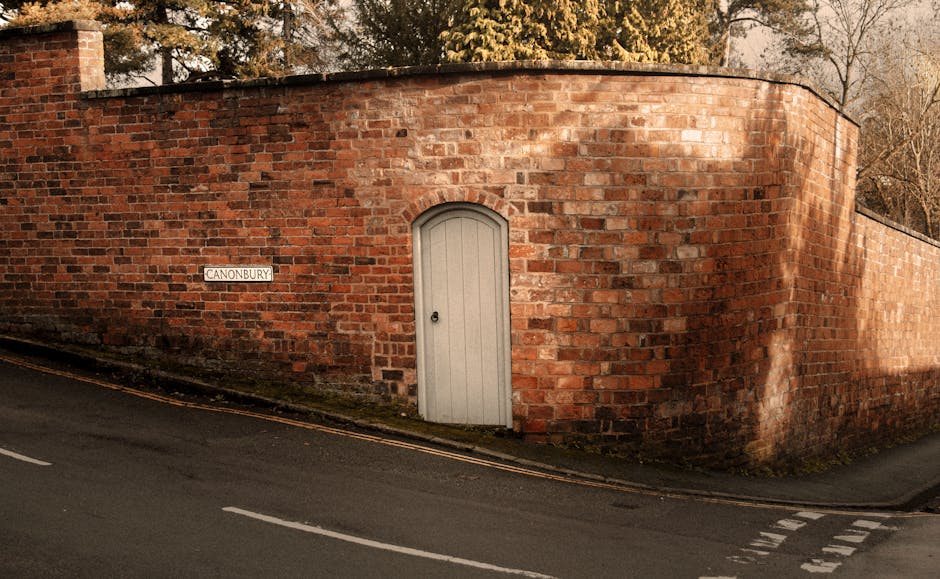
Moving near Cassiobury Park can look straightforward on a map and then, quite suddenly, turn into a narrow-road puzzle. A van that seemed perfectly sized on paper may struggle with parked cars, tight turns, low-hanging branches, or a neighbour's driveway that cuts the road down to one usable lane. That is exactly why Cassiobury Park Removals Narrow Road Access Advice matters: it helps you plan the move around the street, not just the property.
In this guide, you will find practical advice for planning access, avoiding delays, choosing the right vehicle, and reducing the stress that often comes with older residential roads and busy local parking conditions. We will keep it plain-English, realistic, and useful. Because let's face it, moving day is busy enough already.
Why Cassiobury Park Removals Narrow Road Access Advice Matters
Cassiobury Park and the surrounding residential streets have a character that many people love: leafy, established, and close to the park itself. The trade-off is that some roads are not built with modern moving vehicles in mind. Tight access can mean slower loading, limited parking, awkward reversing, and the need for extra coordination with neighbours or building managers.
Good access planning is not just about convenience. It affects safety, time, cost, and the condition of your belongings. A sofa can be perfectly wrapped and still become a headache if a van cannot park close enough to the entrance. A fridge can be handled safely and still take twice as long to move if there is no turning space. These are the unglamorous bits, but they are the bits that shape the day.
There is also a customer-experience angle. When access is tight and everyone is guessing, moving day starts to feel tense before the first box is even lifted. Clear planning reduces that pressure. It helps the removals team work methodically, gives you realistic expectations, and keeps the whole process calmer. That is the real win.
For anyone comparing moving options in the area, it often helps to understand the broader service picture too. A well-planned move near Cassiobury Park may involve a full house move, a smaller van-based move, or a split-load arrangement. If you want to explore the wider range of local help available, the services overview is a sensible starting point, and for a broader look at how local moving support is structured, see removal services in Watford.
How Cassiobury Park Removals Narrow Road Access Advice Works
Narrow road access advice is basically the process of matching the move to the street conditions. It sounds simple, but in practice it usually means checking the route, vehicle size, parking restrictions, loading distance, and any obstacles that could slow down access.
Here is the practical logic behind it:
- Measure the access, not just the house. You need to know whether the van can park close enough, whether it can turn, and whether there is room for doors, ramps, and lifting.
- Match the vehicle to the road. A large removals lorry may be ideal for volume, but a smaller van or a man-and-van setup can be much better for narrow streets.
- Plan loading and unloading points. If the front door is far from the vehicle, you may need more people, more time, or a different carrying strategy.
- Reduce friction before moving day. That means clearing driveways, warning neighbours, reserving space where possible, and confirming any access instructions early.
In a street with parked cars on both sides, even a short move can become fiddly. A driver might need to stop a little further away, which changes the whole rhythm of the job. You notice it immediately: more footsteps, more time, more back-and-forth. None of that is a disaster, but it needs planning.
For people moving from flats or smaller properties close to the park, access advice often overlaps with stair carries, entry phone systems, and tight communal hallways. If that sounds familiar, it may be worth looking at flat removals in Watford as part of your planning. And if you are considering a smaller, more flexible setup, man with a van in Watford and man and van Watford options are often worth comparing.
Key Benefits and Practical Advantages
When access is assessed properly, the benefits show up in surprisingly ordinary ways. Fewer delays. Less lifting stress. Better vehicle positioning. Fewer awkward conversations with neighbours. And, very often, a smoother bill at the end because time is used better.
Some of the biggest advantages include:
- More realistic scheduling. If the road is tight, the team can allow extra time instead of trying to race the clock.
- Safer handling. Good access planning reduces rushed carries and awkward angles, which matter a lot with heavier items.
- Lower chance of damage. Fewer sudden turns and fewer emergency manoeuvres means less risk to furniture, walls, and vehicle bodywork.
- Better vehicle choice. The right removal van or smaller team setup can be more efficient than sending a vehicle that is too large for the street.
- Less disruption. Neighbours, pedestrians, and other road users are all less likely to be inconvenienced when the move is well planned.
There is a simple truth here: the street is part of the job. Ignore it, and it pushes back. Respect it, and the whole move feels easier.
If you are trying to decide between a larger house move and a more flexible local vehicle option, it can help to compare house removals in Watford with a more compact removal van Watford approach. For some homes, the smaller option is simply the better fit. Not glamorous, but practical.
Who This Is For and When It Makes Sense
This advice is useful for anyone moving into or out of streets around Cassiobury Park where space is limited, parking is awkward, or the road layout slows vehicle access. It is especially relevant if any of the following sound familiar:
- You live on a narrow residential road with cars parked on both sides.
- Your property sits on a bend, a slope, or a road with limited turning room.
- You are moving from a flat, maisonette, or townhouse with restricted frontage.
- You have bulky furniture, a piano, or awkwardly shaped items that need careful handling.
- You are arranging a move for a busy weekday and need the process to run on time.
- You want to keep disruption low because of neighbours, school runs, or local traffic.
It also makes sense for people comparing different types of removals. A student moving into a smaller place near the park will have different needs from a family moving out of a larger home. Likewise, someone with a single large item and a few boxes may only need a compact setup. For those situations, student removals Watford or furniture removals Watford can be useful reference points.
If your move is tied to a larger life change, it may also be worth reading about the local housing picture in the area. Articles like what it is like to live in Watford and living in vibrant London and relaxing Watford can help you picture the practical side of settling in. Sometimes that context makes decisions clearer. Funny how that works, really.
Step-by-Step Guidance
If you want a move near Cassiobury Park to go well, follow a proper sequence rather than improvising on the day. Here is the approach we would recommend.
-
Assess the road before you book.
Walk the route from the property to the street. Look at parking, width, corners, gates, trees, and any awkward pinch points. If the van would have to stop far away, make a note of that immediately.
-
List the largest items first.
Big furniture changes the access plan. Sofas, wardrobes, beds, white goods, and pianos need more space and more careful handling. Knowing the biggest items early helps you decide whether a smaller vehicle or specialist support is needed.
-
Choose the right removals setup.
A large home move may suit a full removals team. A narrow street may be better served by a smaller van or a staged move. If your access is really tight, the right choice is often the one that looks slightly less ambitious on paper. That is fine.
-
Share access details clearly.
Tell the company about road width, permits, loading restrictions, time windows, and any building rules. If the property is on a road that regularly gets busy, say so. Small details help far more than vague reassurances.
-
Prepare the space around the property.
On moving day, keep hallways clear, remove loose rugs, and make sure the front path is usable. If there is a neighbour's car likely to block access, speak to them beforehand. A little courtesy goes a long way.
-
Protect fragile or awkward items.
Wrap mirrors, dismantle what can be dismantled, and make sure drawers or doors are secured. The less time the team spends wrestling with awkward shapes, the smoother the move will feel.
-
Build in a time buffer.
Narrow roads often mean slower loading. Give yourself extra time, especially if you are working to a completion slot, a key handover, or train connections.
One small but useful point: if the move has a train-commuter angle, access timing matters even more. For people moving around station-heavy schedules, our Watford Junction removals guide for train commuters covers some of the same coordination thinking, just in a different local context.
Expert Tips for Better Results
These are the bits that tend to make a real difference, especially when the road is tighter than you expected.
- Ask about vehicle length, not just vehicle type. Two vans can look similar in plain language and behave very differently on a narrow road.
- Check for reverse-in or reverse-out requirements. If a vehicle cannot turn easily, reversing can become part of the access plan. That needs judgement and confidence.
- Think about the walking distance from van to door. Fifty metres may not sound like much, but with several heavy items it adds up quickly.
- Keep the first-load items near the exit. It is a small thing, yet it saves time when the vehicle is parked awkwardly.
- Use a simple room-by-room plan. Don't overcomplicate it. Label clearly, keep essentials together, and avoid mixing fragile items with heavy random bits.
- Have a backup parking thought. If the ideal spot is taken, where is the next best place? Planning that in advance removes a lot of stress.
For heavier or specialist items, the access question becomes even more important. A piano, for instance, can be moved safely only if the route is sensible and the handling is matched to the item. If that is relevant to your move, take a look at piano removals Watford. It is not the sort of thing you want to wing at 8:15 on a wet Tuesday morning.
And a bit of human advice: if you are unsure, say so. A good removals conversation is not a performance. It is a planning session.
Common Mistakes to Avoid
Narrow-road moves usually go wrong for familiar reasons. The good news? Most of them are avoidable.
- Booking too large a vehicle. Bigger is not always better. If the van cannot access the street properly, capacity becomes irrelevant.
- Assuming parking will be easy on the day. It rarely is. Streets near popular local areas can fill quickly.
- Failing to mention access restrictions. If the street is one-way, tight, or often obstructed, say it early.
- Leaving bulky items packed last. The first items out should usually be the easiest to carry or the heaviest to position safely.
- Not allowing for weather. Rain, wind, and slippery paths make narrow access more awkward. You notice it most when carrying something with an awkward centre of gravity.
- Trying to do everything on the clock. If you are rushing, the whole operation becomes less controlled. A calm pace is often faster in the end.
There is one more common oversight: forgetting that access can change between the morning and afternoon. School traffic, bin collections, delivery vans, and street parking all alter the picture. If you can avoid peak disruption, do so.
Tools, Resources and Recommendations
You do not need fancy kit to manage a narrow-access move, but a few practical tools can make life much easier:
- Measuring tape for doorways, hallways, and awkward corners.
- Phone photos or a quick video of the front access, parking, and route to the property. That is often more useful than a long explanation.
- Labels and marker pens for keeping boxes organised by room and priority.
- Protective wrapping for edges, mirrors, and delicate finishes.
- Basic floor protection if the route includes tight interior turns or shared entrances.
From a service-planning point of view, it can also help to compare different local options depending on the scale of your move. For a compact job with limited access, man with a van Watford and removal van Watford can make sense. For larger, more structured moves, removals Watford and house removals Watford are the more relevant conversations.
If you are in an older property with lots of clutter, or you need time between moving out and moving in, storage can be a very sensible pressure valve. A storage Watford option can remove the need to force every item through a difficult access point in one go.
And if packing feels like the bit that always runs away from you, you are not alone. A little structure from packing and boxes Watford support can save a lot of last-minute panic.
Law, Compliance, Standards, or Best Practice
For this kind of move, the main thing is to follow sensible UK removals practice and keep safety at the centre of the plan. That means proper lifting technique, sensible vehicle positioning, clear communication, and respect for local parking or loading rules where they apply.
It is also worth thinking about insurance and the handling of risk. Narrow roads increase the chance of minor knocks if a vehicle is squeezed into a tight spot, and awkward carrying routes can create strain if the team is rushed. Good practice is to confirm what level of cover is in place, understand what is and is not included, and make sure the handling plan fits the property conditions. If you want a better feel for that side of things, insurance and safety is a useful page to read.
Health and safety is not about making the process feel formal for the sake of it. It is about protecting people and belongings. Manual handling, clear walkways, stable stacking, and sensible scheduling all matter. The same goes for professionalism more broadly. A reliable provider should be transparent about its approach, not vague and shruggy.
For readers who like the business-side reassurance too, it can help to understand how a company communicates terms, payment handling, and complaints. Those pages may sound dry, but they tell you a lot about how organised a provider is. Relevant reads include payment and security, terms and conditions, and complaints procedure. Not thrilling, granted, but pretty useful.
Options, Methods, or Comparison Table
Not every Cassiobury Park move needs the same setup. The right method depends on access, volume, and how much handling is involved. Here is a simple comparison.
| Method | Best for | Strengths | Watch out for |
|---|---|---|---|
| Full removals team | Larger homes, more furniture, structured moving days | Efficient loading, more hands, better for heavy items | May be less suitable if the road is very tight |
| Man and van | Smaller moves, flexible access, lighter loads | Maneuverable, often quicker on narrow roads | Less capacity for bulky household contents |
| Removal van with staged loads | Moves where access is restricted but volume is manageable | More adaptable than a large vehicle, good for awkward streets | May require more careful scheduling |
| Split move with storage | Delayed completions or access problems | Reduces pressure, keeps the day under control | Needs extra planning and coordination |
One thing people often miss: the best choice is not always the cheapest on paper. If the wrong setup adds time, stress, or damage risk, the "cheap" option can become the expensive one. Annoying, yes. But true.
Case Study or Real-World Example
A typical narrow-access move near Cassiobury Park might involve a family leaving a semi-detached property on a residential road with parked cars on both sides. The van cannot stop directly outside the house, so it parks a short distance away at the widest available point. That sounds manageable, but the details matter.
In that sort of situation, the team would usually check the route first, identify the largest furniture pieces, and agree whether the move should use a smaller vehicle or a staged loading approach. The hallway is kept clear. The front door stays open only when needed. Fragile items are loaded separately. The biggest advantage is rhythm: fewer last-minute decisions, fewer people wondering where the next box is going, fewer awkward pauses while everyone looks at the street and frowns a bit.
We have seen moves where the real difference came from one simple change: moving the heaviest furniture first while the road was quieter, then returning for the boxes once the morning traffic had eased. That small adjustment reduced pressure and made the entire day feel less frantic. Nothing magical. Just good planning.
This is why narrow-road advice is so valuable. It turns a possible bottleneck into a manageable sequence.
Practical Checklist
Use this checklist before moving day. It is simple, but it covers the things that tend to trip people up.
- Confirm the exact property address and access route.
- Check whether the road is narrow, one-way, or routinely congested.
- Measure key gaps such as gates, doorways, and tight turns.
- Identify the biggest and heaviest items in the move.
- Decide whether a full removals team, man and van, or smaller vehicle is most suitable.
- Share parking and loading details with your mover in advance.
- Ask whether any time restrictions, permits, or access constraints need attention.
- Keep hallways, stairs, and entrances free of clutter.
- Protect fragile furniture and pack essentials separately.
- Allow extra time for narrow streets, weather, and unexpected parking issues.
- Have a backup plan for parking or short carrying distances.
- Keep key documents, keys, and mobile numbers easy to reach.
Expert summary: the safest and calmest way to handle a Cassiobury Park move is to treat access planning as part of the removal itself, not as an afterthought. Once the road is understood, everything else becomes much more manageable.
Conclusion
Cassiobury Park removals narrow road access advice is really about turning uncertainty into a plan. When the street is tight, the vehicle choice, loading method, timing, and communication all matter more than usual. That does not mean the move has to be difficult. It just means it has to be thought through properly.
If you take one thing from this guide, let it be this: access is part of the removals job, not a side issue. Measure it, describe it, and work with it. Do that, and the day usually feels a lot less chaotic than people fear. A bit of care upfront saves a lot of muttered frustration later on.
Get a free quote today and see how much you can save.
And if you are still in the planning stage, that is fine too. A calm, well-prepared move is always better than a rushed one, and a good start makes all the difference.